






What Are the 8 Types of Fabric for Sofa Covers?

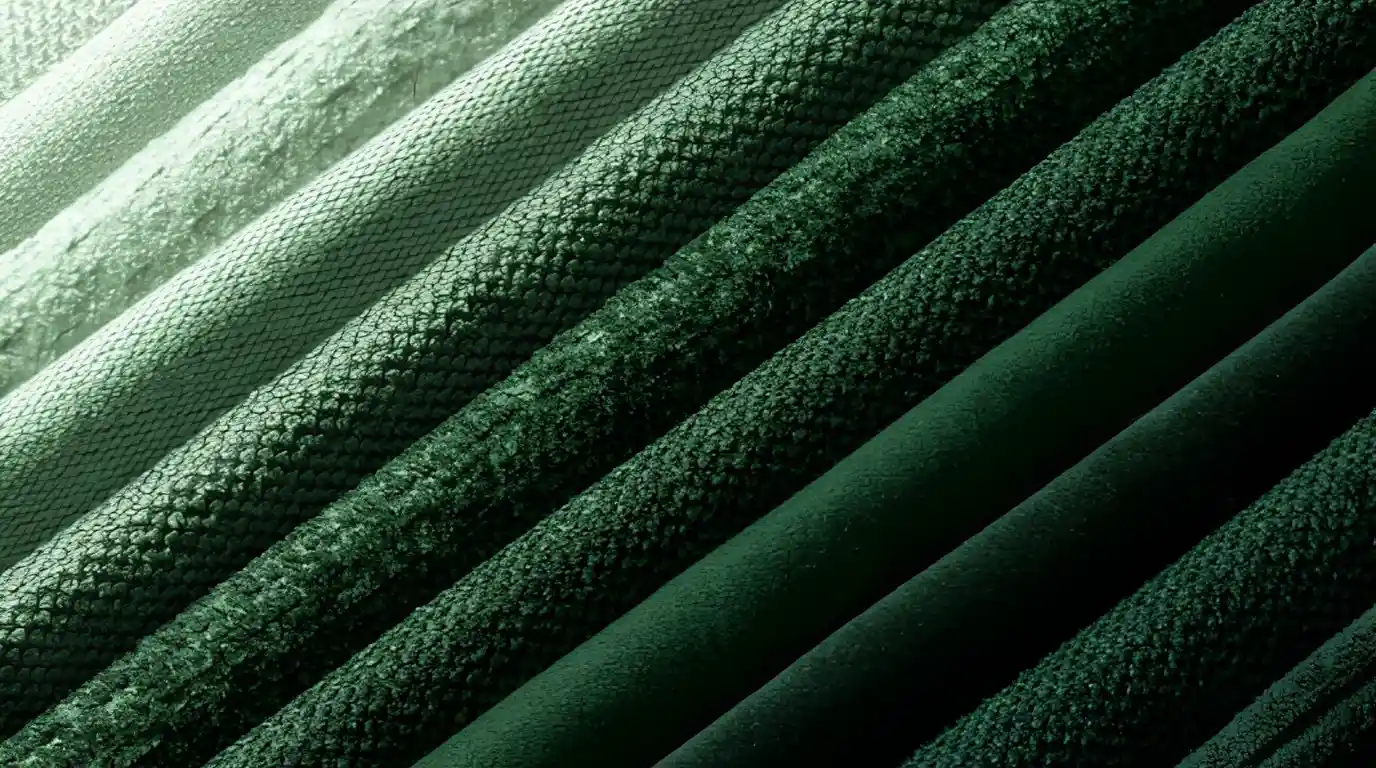
If you’re trying to pick the 8 types of fabric for sofa covers, here’s the quick answer: cotton, polyester, velvet, jacquard, chenille, jersey (stretch fabric), linen, and acrylic blends. But the real question isn’t just what they are, it’s which one actually survives heat, dust, kids jumping around, and daily use. This guide is for homeowners, families, and renters who want something that looks good and lasts. You’ll learn which fabrics work in Pakistani conditions… and which ones you’ll regret buying.
8 Types of Fabric for Sofa Covers
- Cotton: Soft, breathable, and comfortable, but needs frequent washing.
- Polyester: Durable, wrinkle-resistant, and easy to maintain for daily use.
- Velvet: Luxurious and soft, but it traps heat and requires careful cleaning.
- Jacquard: Thick, textured fabric with patterns, known for durability.
- Chenille: Plush and cozy with a rich feel, but it can wear down over time.
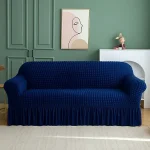
- Jersey (Stretch Fabric): Flexible and snug-fitting, ideal for modern slipcovers.
- Linen: Light and breathable, great for summer, but wrinkles easily.
- Acrylic / Fabric Blends: Budget-friendly, fade-resistant, and made for heavy use.
Best Fabric for Sofa Covers in Pakistan
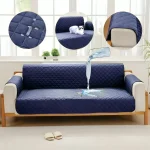
For most Pakistani homes, polyester blends or jacquard work best. They handle heat, dust, and daily wear without much hassle. Polyester is easy to wash and doesn’t fade quickly, while jacquard gives a more premium look with strong durability, making both ideal for busy households with kids or frequent use.
Which Fabric Actually Works (And Which Doesn’t)
Cotton
Cotton is the easiest to live with in terms of comfort. It feels soft, airy, and doesn’t stick to your skin in summer, which is a big deal in Pakistani heat. The problem is, it’s not the toughest option. It catches dust pretty quickly, and after a few washes, you might notice fading or slight shrinkage. If your home isn’t too rough on furniture and you don’t mind washing covers often, cotton works fine. But for heavy daily use, it can start looking worn out sooner than you expect.
Polyester
This is the “no headache” fabric. Polyester might not feel as natural as cotton, but it handles real life much better. It doesn’t wrinkle, doesn’t shrink, and you can wash it without worrying too much. That’s why most ready-made sofa covers use it. The only downside is comfort in peak summer; it can feel a bit warm. Still, if your sofa gets used a lot or you’ve got kids around, polyester is one of the safest choices you can make.
Velvet
Velvet looks amazing, no doubt. It gives that rich, formal vibe instantly. But in Pakistan, especially in cities like Karachi or Lahore during summer, it can feel uncomfortable because it holds heat. It also attracts dust and needs careful cleaning, which makes it a bit high-maintenance. If your sofa is mostly for show or sits in an air-conditioned room, velvet works beautifully. For everyday use, though, it can become more trouble than it’s worth.
Jacquard
Jacquard Fabric is one of those fabrics that balances looks and durability really well. It’s thick, has woven patterns, and doesn’t wear out easily. That’s why you’ll see it a lot in traditional or Chinioti-style sofas. It holds up well even with regular use, making it a solid option for Pakistani homes. The only thing is, it can feel slightly heavy in extreme heat. Still, compared to most fabrics, it’s one of the more reliable long-term choices.
Chenille
Chenille has that soft, slightly fluffy texture that makes a sofa feel cozy. It looks good and feels even better when you sit on it. But it’s not built for rough use. Over time, especially if there’s a lot of friction or kids jumping around, it can start to wear down. It also tends to hold onto dust more than smoother fabrics. If your living room is more relaxed and not constantly busy, chenille can work nicely.
Jersey (Stretch Fabric)
This is the fabric you usually see in stretchable sofa covers. It’s soft, flexible, and fits tightly over the sofa, which makes everything look neat without much effort. It’s also one of the easiest options to install and remove. The trade-off is durability. After repeated use and washing, it can start losing its tight fit. It’s a good option if you want something quick, affordable, and decent-looking, especially for L-shaped sofas or rental homes.
Linen
Linen feels fresh and breathable, which makes it great for hot weather. It gives a clean, minimal look that a lot of people like. But it’s not very forgiving. It wrinkles easily, stains faster, and needs a bit more care compared to other fabrics. So while it’s comfortable, it’s not the most practical choice for homes where the sofa is used heavily every day.
Acrylic / Fabric Blends
Blended fabrics are everywhere in the market because they try to give you a bit of everything: durability, affordability, and decent looks. Some blends are surprisingly good and last a long time, while others can feel cheap or start pilling after a while. It really depends on quality. For most families, though, blends are a practical choice if you want something that can handle regular use without spending too much.
| Fabric Type | Comfort | Durability | Maintenance | Best For |
| Jersey (Stretch) | High | Medium | Very Easy | L-shaped sofas & odd shapes |
| Cotton | Very High | Medium | Medium | Summer comfort & kids |
| Velvet | High | Medium | Hard | Luxury guest rooms (AC) |
| Jacquard | Medium | Very High | Easy | Hiding stains & formal look |
| Chenille | Very High | High | Medium | Cozy lounges & winter |
| Polyester | Medium | Very High | Very Easy | Daily rough use |
| Linen | High | Low | Hard | Minimalist/Aesthetic homes |
| Acrylic Blends | Low | Very High | Easy | Sun-drenched rooms |
Best Sofa Cover Fabric Based on Your Situation
Choosing a sofa fabric just by looks usually ends in regret. In Pakistan, you’ve got to think about heat, dust, kids, pets, and daily rough use. What works in a showroom often fails at home.
Best Fabric for Hot Weather
In extreme heat or humidity, comfort comes first. Cotton and linen stay cool and breathable, so you don’t get that sticky feeling after sitting. Jersey stretch also works well because it’s light and flexible. Avoid heavy velvet and thick polyester in peak summer they trap heat and feel uncomfortable fast.
Best Fabric for Dusty Homes
For dusty areas, go for tight weaves. Polyester blends and jacquard are easy to clean because dust stays on the surface instead of sinking in. Just a quick vacuum or wipe does the job. Loose fabrics like linen look nice but hold dust deeper, which means more cleaning effort.
Best Fabric for Kids & Rough Use
If your sofa gets daily abuse, durability matters more than style. Polyester blends and jersey stretch are the safest options. They handle spills, jumping, and constant use without falling apart. Cotton feels good but wears out faster in busy homes.
Best Fabric for Pets
Pets need smooth, easy-clean fabrics. Polyester and jacquard work best because hair doesn’t stick too badly and can be removed quickly. Avoid chenille or rough textures claws can pull threads and damage the fabric fast.
Best Fabric for a Luxury Look
If you want a premium feel, velvet and jacquard are the go-to choices. Velvet gives that rich, soft look, while jacquard feels more structured and elegant. Just remember, they’re better for guest rooms or lighter use, not heavy daily wear.
Common Mistakes People Make When Choosing Sofa Fabric
Most mistakes happen because people focus on how the sofa looks in the shop, not how it will behave at home after months of use.
- Choosing style over practicality (looks good, but not durable for daily use)
- Ignoring washability (realizing too late that the fabric is hard to clean)
- Picking velvet in humid cities like Karachi (feels heavy and uncomfortable in the heat)
- Not checking the stretch for L-shaped sofas (cover keeps slipping or not fitting properly)
- Buying cheap fabric blends that fade or pill quickly after a few washes
Natural vs Synthetic Fabrics: What Actually Matters?
It’s not really about which one is “better” overall; it’s about what your home actually needs. The difference comes down to comfort versus durability.
| Factor | Natural Fabrics (Cotton, Linen) | Synthetic Fabrics (Polyester, Blends) |
| Feel | Soft, breathable, more natural | Slightly synthetic but smooth |
| Comfort in Heat | Excellent for hot weather | Can feel warm in peak summer |
| Durability | Medium, wears faster | High, handles heavy use well |
| Maintenance | Needs more care, stains easier | Easy to clean, low maintenance |
| Best For | Light use, summer comfort | Daily use, kids, pets, rough handling |
Simple way to think about it:
Natural fabrics feel better on the body, but synthetic fabrics survive real life better. So if your sofa is more “showpiece,” go natural. If it’s used all day, go synthetic.
Where to Buy Sofa Cover Fabrics in Pakistan
If you’re in Pakistan, finding sofa fabric isn’t the hard part; picking the right quality is. You’ve basically got two main options: online stores and local markets.
Online shopping is getting popular because most stores now offer cash on delivery across Pakistan, which makes it easy if you don’t want the hassle of visiting markets. You’ll also see a lot of listings highlighting Turkish fabric trends, which are mostly used as a trust signal because people associate them with premium quality.
On the other side, local markets in cities like Lahore, Karachi, and Faisalabad still give you the advantage of touching and feeling the fabric before buying. That matters a lot when you’re judging softness, thickness, or stretch.
FAQs
Which fabric is best for sofa covers in Pakistan?
There’s no single winner, but polyester blends and jacquard are the most practical for most homes in Pakistan. They handle heat, dust, and daily use better than most natural fabrics. If comfort is your priority, cotton works well, but for long-term durability, synthetic blends usually perform better in real-life conditions.
Is jersey fabric good for sofa covers?
Yes, jersey fabric is actually quite popular for stretchable sofa covers. It fits tightly over sofas, especially L-shaped ones, and gives a neat look without much effort. The downside is that it’s not the most durable long-term, but for budget-friendly and quick upgrades, it works really well.
What is the most durable sofa fabric?
Polyester and high-quality jacquard are generally the most durable options. They can handle heavy daily use, spills, and dust without wearing out too quickly. That’s why they’re commonly used in Pakistani homes, where sofas are used frequently and need to last for years.
Which fabric is best for summer?
For hot weather, cotton and linen are the most comfortable because they’re breathable and don’t trap heat. They feel light even in peak summer. However, they do need more care compared to synthetic fabrics, which is why many people still prefer blends for everyday use.
Are stretchable sofa covers worth it?
Yes, especially if you want an easy, budget-friendly upgrade. Stretchable fabrics like jersey are simple to install and give a clean, fitted look. They’re great for rentals or L-shaped sofas, but they may lose tightness over time, so they’re better for convenience than long-term durability.
Final Thoughts
There’s no single perfect fabric for every home; it really depends on how you live. Some homes need comfort, some need durability, and others need something that just looks good without much maintenance.
If you’re still unsure, start with your real situation: heat, dust, kids, pets, and how often the sofa is used. That alone will point you toward the right choice more than any trend ever will.
And if you’re planning to buy sofa covers or actually upgrade your setup, it always helps to compare fabrics properly instead of picking the first thing that looks good online.