








How to Wash Fabric Sofa Cushion Covers Without Shrinking or Ruining Them

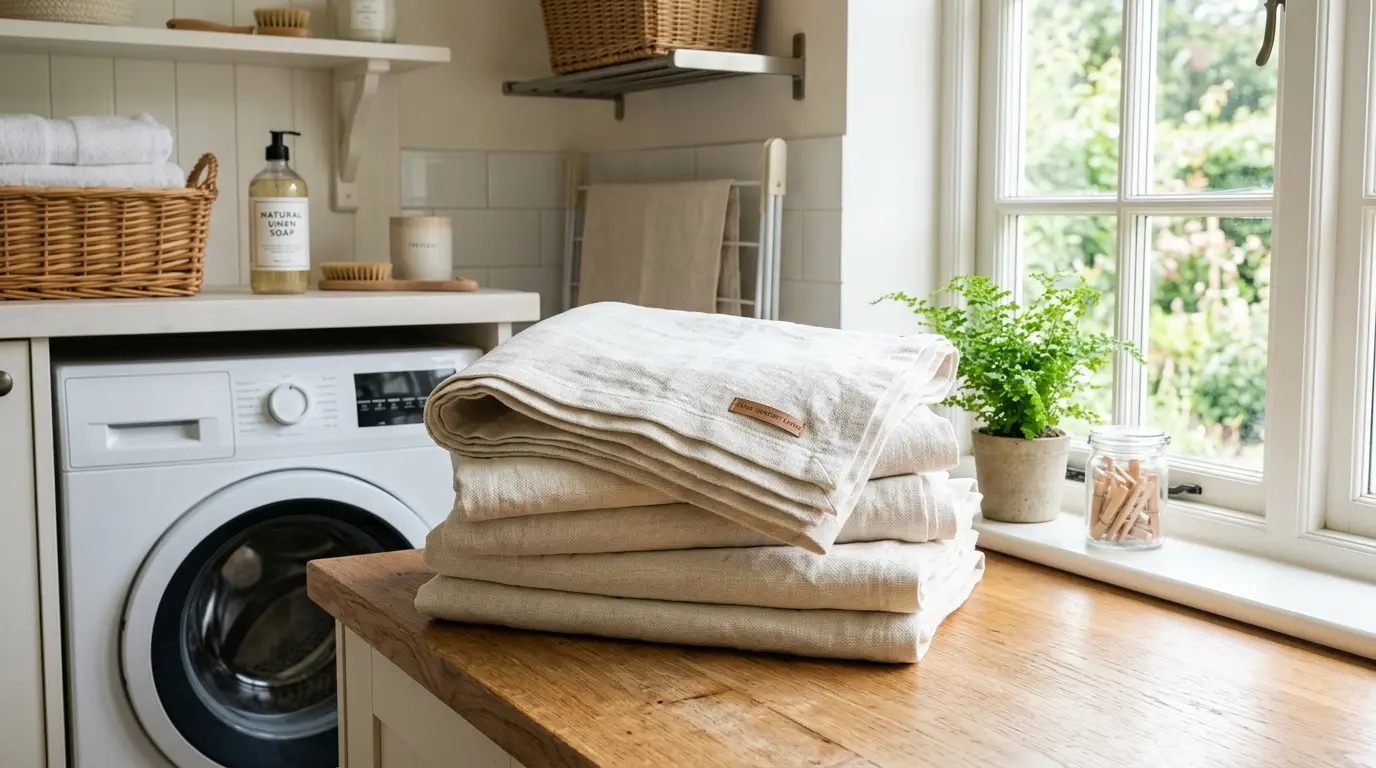
Yes, you can wash your sofa covers at home without them ending up half their original size. Most of the horror stories you hear about shrinking, fading, or weird fabric pilling don’t actually happen in the wash; they happen because someone got impatient with the dryer or ignored a “dry clean only” tag.
This guide is for anyone dealing with the reality of kids, muddy paws, or the occasional wine spill. If you’ve ever stared at a stained cushion and wondered if you’re about to make a $1,000 mistake, you’re in the right place
Can You Wash Fabric Sofa Cushion Covers?
Yes, most fabric sofa cushion covers can be washed at home. It mainly depends on the fabric type and the care label instructions. In most cases, using cold water and a gentle cycle is the safest option to avoid shrinkage, fading, or damage.
When You Should NOT Wash Them
Some covers look washable but really aren’t. That’s where people mess up.
Avoid washing if:
- The covers are non-removable (you’ll damage the cushion inside)
- The fabric is delicate like velvet, suede, or silk blends
- The label clearly says “dry clean only.”
If you ignore this, you’re risking shrinkage, texture damage, or even ruining the fabric completely.
How Often Should You Wash Sofa Cushion Covers?
There’s no fixed rule, but here’s what actually works in real life:
- Every 3–6 months → normal use
- Once a month → if you have pets, kids, or allergies
- Anytime needed → if you notice smells, stains, or visible dust
A good rule? If your sofa doesn’t feel fresh anymore, it’s time.
Before You Wash: 3 Things You Should Always Check
This is the part most people rush through… and regret later.
A quick check here can save you from shrinkage, faded color, or covers that just don’t fit anymore.
1. Check the Care Label (What Those Symbols Actually Mean)
Those tiny symbols actually decide whether your covers survive the wash or not.
- W → Water-based cleaning is safe
- S → Solvent only (no water, usually dry clean)
- WS → You can use either water or a solvent
- X → Vacuum only (no washing at all)
If you ignore this, you’re basically guessing. And that’s how covers shrink, colors bleed, or fabric gets rough and damaged.
2. Know Your Fabric Type (This Changes Everything)
Not all covers behave the same in water. Some are forgiving. Others… not so much.
- Cotton → Feels soft but can shrink if you use warm water
- Polyester → Much safer, holds shape well
- Linen → Looks great, but shrinks easily if mishandled
- Microfiber → Doesn’t like too much water, can leave marks if cleaned wrong
If you don’t know the fabric, you’re taking a risk. Even the right washing method can go wrong with the wrong material.
3. Test for Color Bleeding (Most People Skip This)
This takes 30 seconds and can save your whole set. Here’s how:
- Dampen a small hidden area (like the back side)
- Press it with a white cloth
- Check if any color transfers
If you see dye coming off, don’t throw it straight into the wash. That’s how covers end up faded or patchy. It’s a small step, but honestly, it’s one of the smartest things you can do before washing.
How to Wash Sofa Cushion Covers (Safe Method)
If you follow this exactly, you’ll avoid the two biggest problems: shrinking and damage. Most mistakes happen because people rush or skip steps.
Vacuum First (Don’t Skip This)
Before anything goes in the wash, vacuum the covers. Dust, crumbs, and pet hair might not look like a big deal, but once they get wet, they turn into a muddy mess that sticks deeper into the fabric. A quick vacuum keeps the wash actually clean, not dirtier.
Remove Covers Carefully (Zippers Matter)
Take your time here. Don’t yank the covers off or force tight zippers. If a zipper gets stuck or breaks, putting the cover back on later becomes a nightmare. Ease them off gently, especially around corners.
Pretreat Stains Properly
Throwing stained covers straight into the wash rarely works. You need to deal with spots first.
For Food & Drink Stains
Mix a little mild detergent with water and gently dab the stain. Don’t scrub hard you’ll just spread it.
For Grease or Oil
Use a drop of dish soap directly on the spot. It cuts through oil better than regular detergent. Let it sit for a few minutes before rinsing lightly.
For Odor
Sprinkle baking soda over the area and let it sit for 15–20 minutes. Then brush or vacuum it off. It helps pull out trapped smells.
Wash on the Right Settings (This Is Where Most People Mess Up)
This step decides whether your covers come out perfect… or ruined.
- Use cold water
- Select a gentle or delicate cycle
- Add a mild detergent
- Turn the covers inside out before washing
Hot water and harsh cycles are the fastest way to shrink fabric or fade color.
Avoid Overloading the Machine
It’s tempting to throw everything in at once, but that’s where damage happens. When the machine is too full:
- The covers rub too hard against each other
- Fabric wears out faster
- Washing becomes uneven
Give them space to move freely. One or two covers per load is usually the safe zone.
How to Dry Sofa Cushion Covers Without Shrinking
This is where most people mess up. Washing is easy. Drying is what ruins the fit. Heat is the main problem. Even slightly high heat can shrink fabric or warp the shape, especially with cotton or linen covers.
Can You Put Sofa Covers in the Dryer?
Sometimes, yes, but it’s risky.
- Only use low heat or air fluff
- Never use high heat
- Remove them while slightly damp
If you’re not sure about the fabric, skip the dryer. Air drying is slower, but way safer.
Best Way to Air Dry (Works in Any Home)
Air drying sounds simple, but doing it wrong can leave covers wrinkled or misshapen.
- Lay flat if you want to keep the exact shape
- Hang lightly if the fabric isn’t too heavy
- Smooth out wrinkles while damp
The key is to keep the fabric in its natural shape as it dries. That’s what helps it fit properly later.
How to Dry Covers Faster (Without a Dryer)
If you don’t want to wait all day, these tricks actually help:
- Towel press trick:
Lay the cover on a dry towel, roll it up, and press gently. It pulls out extra water fast. - Fan + airflow:
Place a fan nearby. Moving air dries fabric way quicker than still air. - Sunlight vs shade:
Sun dries faster, but it can fade colors.
Shade takes longer, but keeps fabric safe.
A mix works best start in shade, then give it a bit of sun if needed.
Drying in Humid Weather (Real-Life Problem Solved)
This is where things get frustrating. Covers stay damp forever and start smelling weird.
Here’s how to avoid that:
- Never pile covers on top of each other
- Leave space between them for airflow
- Use a fan or open windows if possible
- Flip them every few hours
If they stay damp too long, you’ll get that musty smell. And once that sets in, you usually have to wash them again. Drying properly takes a bit more effort, but it’s what keeps your covers fresh, clean, and actually fitting your sofa.
How to Wash Different Fabric Types (Most Guides Fail Here)
This is where most guides stay vague, but this part actually matters the most.
The same washing method won’t work for every fabric. Some can handle a machine. Others will shrink or
| Fabric Type | Risk Level | The Reality | Pro Tip |
| Cotton / Linen | High | High shrinkage risk with any heat. | If it shrinks, dampen and stretch gently by hand. |
| Polyester | Low | Durable and holds shape well. | Avoid high heat or the fibers may “melt” and feel scratchy. |
| Microfiber | Medium | Shows watermarks easily. | Use minimal detergent to prevent visible streaks. |
| Velvet | High | Texture is easily ruined. | Stick to professional cleaning or very light steam only. |
How to Clean Sofa Cushions Without Removable Covers
Not all cushions come with zippers. And honestly, trying to wash the whole thing is a bad idea; you’ll soak the inside foam, and it’ll take forever to dry (and might smell afterward). So the goal here is simple: clean the surface without drenching the cushion.
Spot Cleaning Method
This works for small stains or everyday dirt. Take a clean cloth, dip it in a mix of water and a small amount of mild detergent, then gently dab the area. Don’t scrub you aggressively, you’ll just push the stain deeper or damage the fabric.
Once it looks clean, go over it again with a slightly damp cloth (just water) to remove any soap residue. Then let it air dry.
Deep Cleaning Without Soaking
For larger areas, you need a slightly better approach, but still no soaking. Create a light foam using water and a bit of detergent. Instead of applying liquid directly, use the foam on a soft cloth or brush and work it gently over the surface.
The idea is to clean with moisture, not water. That way, the inside filling stays dry. After cleaning, wipe off any residue and let it dry fully with good airflow. A fan helps a lot here.
Common Mistakes That Ruin Sofa Covers
Most damage doesn’t happen because of bad fabric; it happens because of small mistakes.
- Using hot water (this is the fastest way to shrink covers)
- Overloading the washer so covers rub and wear out
- Skipping stain treatment and expecting the wash to fix everything
- Using strong or harsh detergents that fade color
- Over-drying, especially with heat, ruins the fit
None of these seems like a big deal in the moment. But they’re exactly why covers come out looking worse than before.
What to Do If Something Goes Wrong
Even if you follow everything right, things can still go sideways. The good news? Most of it is fixable if you catch it early.
If Your Covers Shrink After Washing
This usually happens from heat, either warm water or the dryer. While the fabric is still slightly damp, gently stretch it back into shape with your hands. Don’t pull aggressively, just ease it out little by little. Then put it back on the cushion to help it reshape as it dries.
If it’s already fully dry, lightly dampen it again and repeat the process. It won’t always go back perfectly, but you can usually recover most of the fit.
If They Smell After Washing
That musty smell? It’s usually from slow or poor drying. Run a quick rewash with a small amount of vinegar (no heavy detergent this time). Vinegar helps kill odor-causing bacteria.
Then dry it properly with good airflow, no piling, and flip it occasionally. Most of the time, the smell disappears once it dries the right way.
If Fabric Feels Rough or Stiff
This can happen if detergent builds up or the fabric dries too hard. Skip heavy fabric softeners; they can leave residue. Instead, add a little vinegar during the rinse cycle or simply give the fabric a gentle shake and stretch while it’s drying. That helps bring back some softness.
If Color Fades or Bleeds
Once color fades, you can’t fully reverse it, but you can stop it from getting worse. Wash similar covers separately next time and always stick to cold water. If bleeding happens, rinse immediately in cold water and avoid heat. Heat sets the dye and makes the damage permanent.
How to Keep Sofa Covers Clean Longer
You don’t want to be doing this every month. To keep your sofa cover clean longer:
- Rotate your cushions: People usually sit in their “favorite spot.” Flip the cushions every two weeks, so they wear evenly.
- Weekly Vacuuming: It takes two minutes and stops dirt from becoming “embedded” in the fibers.
- Immediate Action: If you spill something, blot it immediately. Don’t let it sit overnight.
None of this takes much time, but it makes a big difference in how your sofa looks and feels over time.
FAQs
Can I wash sofa cushion covers in a washing machine?
Yes, most sofa cushion covers can be safely washed in a washing machine if the care label allows it. Use a gentle cycle with cold water and mild detergent. Always remove covers carefully and avoid overloading the machine to prevent damage or uneven cleaning.
What temperature should I use?
Cold water is the safest option for almost all fabric sofa covers. It helps prevent shrinkage, color fading, and fabric damage. Warm or hot water might seem better for cleaning, but it often does more harm than good, especially with cotton or linen covers.
How do I prevent shrinkage?
Stick to cold water, use a gentle cycle, and avoid high heat when drying. Air drying is the safest method. Also, remove covers while slightly damp and reshape them by hand. Most shrinkage happens from heat, not the washing itself.
Can I dry them in a dryer?
You can, but only on low heat or air settings, and even then, it’s a bit risky. High heat can shrink or warp the fabric. If you want to be safe, air drying is always the better option, especially for natural fabrics.
How long do they take to dry?
It depends on the fabric and airflow. Most covers take 6–12 hours to air dry, but thicker fabrics or humid conditions can stretch that to a full day. Using a fan or good ventilation can speed things up quite a bit.
What’s the best detergent for sofa covers?
A mild liquid detergent works best. It cleans effectively without being too harsh on the fabric or color. Avoid strong detergents, bleach, or heavy chemical cleaners unless the label specifically allows it, as they can damage or fade the material.
Final Thoughts
Washing sofa cushion covers isn’t complicated, but doing it the right way makes all the difference. Most problems like shrinking, fading, or that musty smell usually come from small mistakes, especially when using heat or rushing the drying part.
Keep it simple: cold water, gentle wash, and slow air drying. That’s what keeps your covers fitting properly and looking fresh for longer. If you’re planning to upgrade or replace your covers, you can explore sofa cover collections.